
Structural Concrete

What Makes a Structural Concrete Proposal Complete

What Makes a Structural Concrete Proposal Complete?

Quick Overview: A complete structural concrete proposal covers more than the total cost. It defines the scope of work, drawings, materials, pricing, schedule, exclusions, and payment terms. These details help general contractors compare bids, avoid unexpected expenses, and keep construction projects on track. A structural concrete proposal should tell a general contractor more than how …

What Makes a Structural Concrete Proposal Complete? Read More »
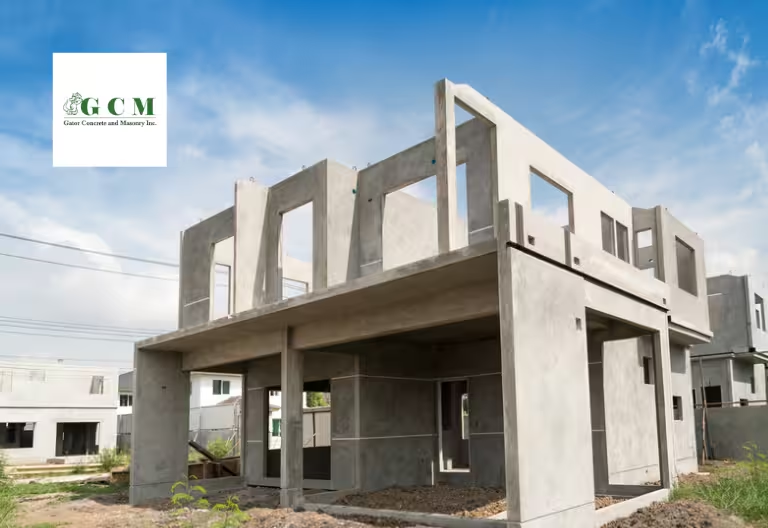
How Drawing Revisions Affect Structural Concrete Cost and Schedule

How Drawing Revisions Affect Structural Concrete Cost and Schedule

Quick Overview: Structural drawing revisions can change concrete quantities, reinforcement, labor needs, and construction schedules. Changes made after materials are ordered or work begins often cost more. Careful plan reviews, early coordination, and clear documentation help contractors limit delays and extra costs. Structural concrete work depends on accurate drawings. Before crews begin excavation, install reinforcement, …

How Drawing Revisions Affect Structural Concrete Cost and Schedule Read More »

When Should a GC Package Foundations, Walls, Columns, Beams, and Slabs Together

When Should a GC Package Foundations, Walls, Columns, Beams, and Slabs Together?

Quick Overview: Combining foundations, walls, columns, beams, and slabs under one subcontractor can reduce scheduling conflicts, repeated mobilization, and scope gaps. But larger packages aren’t always better. GCs should weigh project complexity, subcontractor experience, pricing, and construction risks. General contractors often divide concrete construction into separate scopes when preparing bids. One subcontractor may handle the …

When Should a GC Package Foundations, Walls, Columns, Beams, and Slabs Together? Read More »

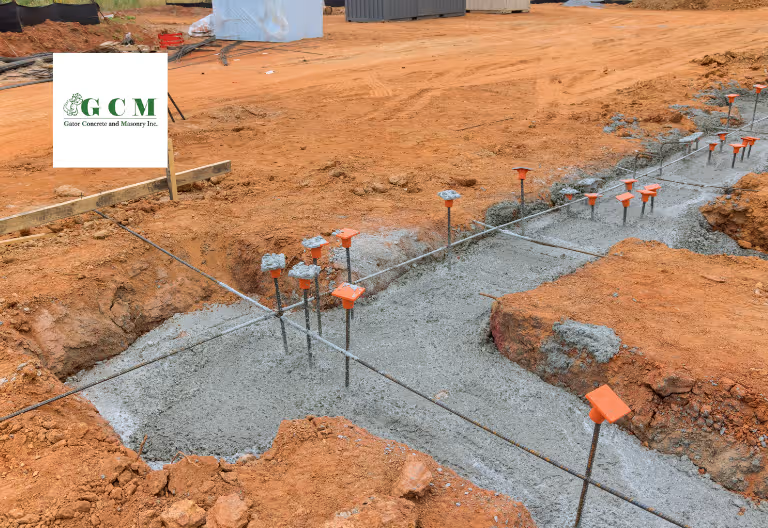
How Structural Concrete Should Be Sequenced From Foundations Through Elevated Slab

How Structural Concrete Should Be Sequenced From Foundations Through Elevated Slab

Quick Overview: Structural concrete construction follows a planned sequence, starting with site preparation and foundations, then moving through columns, walls, beams, and elevated slabs. Learn how reinforcement, inspections, shoring, concrete placement, and curing keep each stage safe and on schedule. Structural concrete construction is a step-by-step process, but getting those steps in the right order …

How Structural Concrete Should Be Sequenced From Foundations Through Elevated Slab Read More »

Where Scope Gaps Commonly Occur in Structural Concrete Packages

Where Scope Gaps Commonly Occur in Structural Concrete Packages

Quick Overview: Structural concrete scope gaps often involve excavation, reinforcing steel, slabs, formwork, MEP openings, testing, and masonry connections. Learn why unclear responsibilities cause extra costs and delays, and how general contractors can catch these issues before awarding a concrete subcontract. A structural concrete package can look complete on paper, but that doesn’t always mean …

Where Scope Gaps Commonly Occur in Structural Concrete Packages Read More »

How Quickly Can a Structural Concrete Contractor Mobilize After Award

How Quickly Can a Structural Concrete Contractor Mobilize After Award?

Quick Overview: Structural concrete mobilization can take several days to several weeks after award. Drawings, site readiness, crews, materials, equipment, RFIs, inspections, and trade coordination all affect the start. Early planning helps contractors mobilize faster and keep concrete work moving. Winning the bid is a major step. But for a structural concrete contractor, the work …

How Quickly Can a Structural Concrete Contractor Mobilize After Award? Read More »

Understanding Positive vs. Negative Drainage Around Buildings

Understanding Positive vs. Negative Drainage Around Buildings

Quick Overview: Positive drainage moves water away from a building, while negative drainage sends it toward the structure or traps it nearby. Learn how grading, soil, landscaping, hardscape and roof runoff affect drainage, plus what builders can do to protect foundations and site improvements. Water will always look for somewhere to go. Around a building, …

Understanding Positive vs. Negative Drainage Around Buildings Read More »

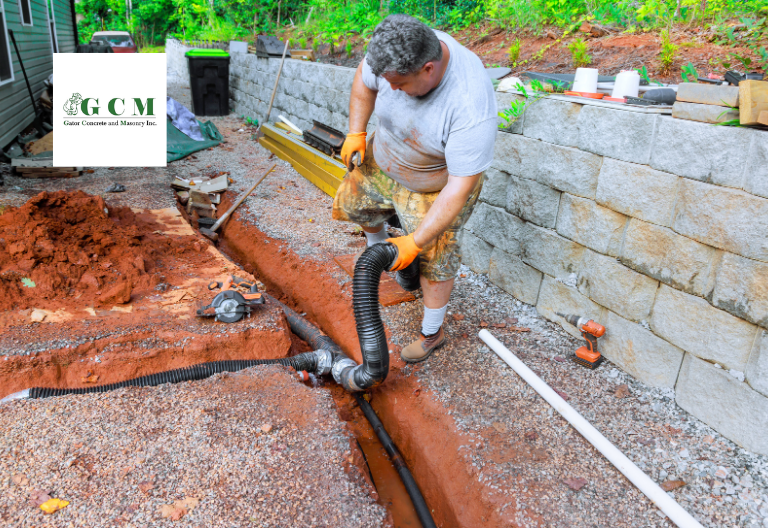
Backyard Drainage Problems That Could Damage Your Foundation

Backyard Drainage Problems That Could Damage Your Foundation

Quick Overview: Backyard water isn’t only a lawn problem. Poor grading, standing water, erosion, and bad runoff paths can change soil conditions and threaten foundation support. A backyard drainage problem may start with something that seems harmless. A puddle that sticks around after a storm, a soggy strip of grass beside the house, or a …

Backyard Drainage Problems That Could Damage Your Foundation Read More »

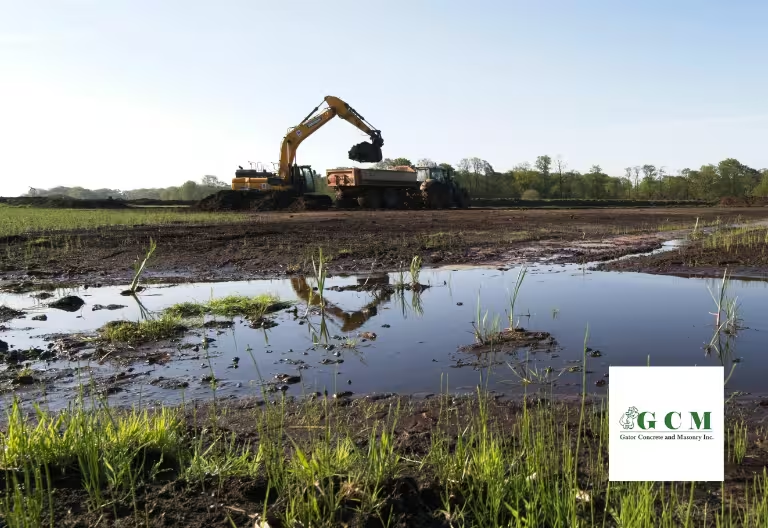
Why Proper Site Preparation Is the Key to Strong, Long Lasting Foundations

Why Proper Site Preparation Is the Key to Strong, Long Lasting Foundations

Quick Overview: Weak soil can lead to settlement, cracked concrete, and costly repairs. Learn how contractors identify bad ground, improve weak soil, and prepare stable foundations that prevent settlement and costly repairs. Every successful construction project starts below the surface. Before concrete is poured, before block walls are built, before the first piece of steel …

Why Proper Site Preparation Is the Key to Strong, Long Lasting Foundations Read More »