Concrete Construction

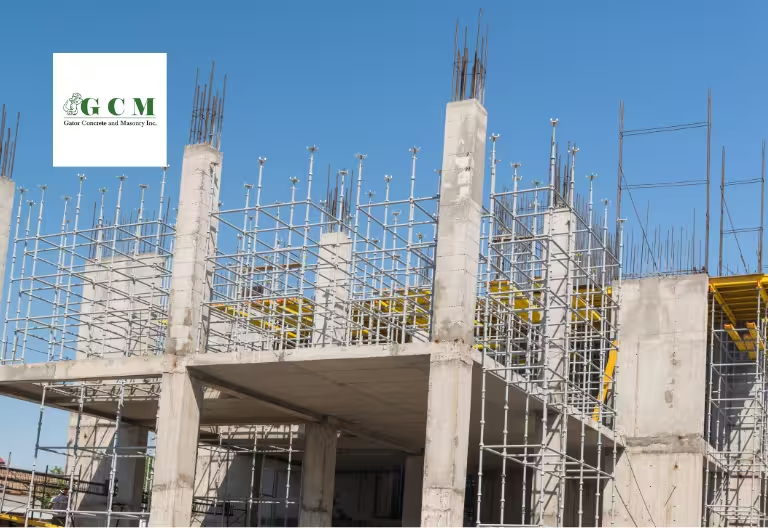
When Should a GC Package Foundations, Walls, Columns, Beams, and Slabs Together

When Should a GC Package Foundations, Walls, Columns, Beams, and Slabs Together?

Quick Overview: Combining foundations, walls, columns, beams, and slabs under one subcontractor can reduce scheduling conflicts, repeated mobilization, and scope gaps. But larger packages aren’t always better. GCs should weigh project complexity, subcontractor experience, pricing, and construction risks. General contractors often divide concrete construction into separate scopes when preparing bids. One subcontractor may handle the …

When Should a GC Package Foundations, Walls, Columns, Beams, and Slabs Together? Read More »
How Structural Concrete Should Be Sequenced From Foundations Through Elevated Slab

How Structural Concrete Should Be Sequenced From Foundations Through Elevated Slab

Quick Overview: Structural concrete construction follows a planned sequence, starting with site preparation and foundations, then moving through columns, walls, beams, and elevated slabs. Learn how reinforcement, inspections, shoring, concrete placement, and curing keep each stage safe and on schedule. Structural concrete construction is a step-by-step process, but getting those steps in the right order …

How Structural Concrete Should Be Sequenced From Foundations Through Elevated Slab Read More »

Where Scope Gaps Commonly Occur in Structural Concrete Packages

Where Scope Gaps Commonly Occur in Structural Concrete Packages

Quick Overview: Structural concrete scope gaps often involve excavation, reinforcing steel, slabs, formwork, MEP openings, testing, and masonry connections. Learn why unclear responsibilities cause extra costs and delays, and how general contractors can catch these issues before awarding a concrete subcontract. A structural concrete package can look complete on paper, but that doesn’t always mean …

Where Scope Gaps Commonly Occur in Structural Concrete Packages Read More »

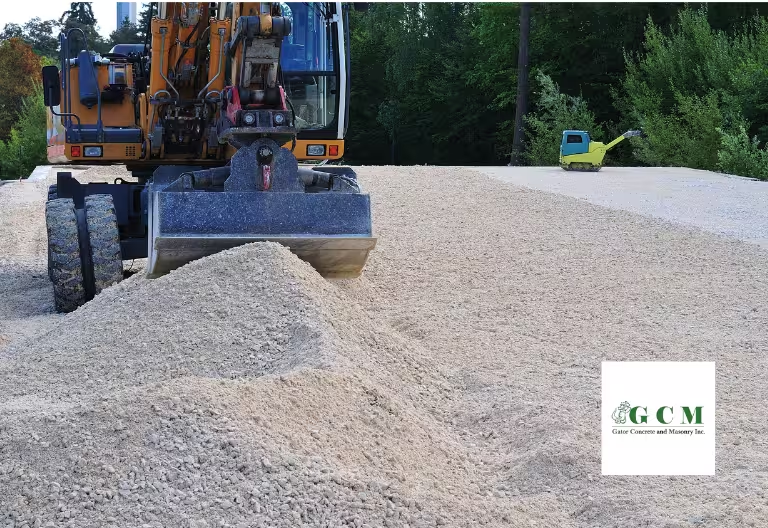
What Does “Ready for Concrete” Actually Mean

What Does “Ready for Concrete” Actually Mean?

Quick Overview: A site can look ready for concrete but still have problems beneath the surface. Proper soil preparation, grading, formwork, reinforcement, and inspections all matter before a pour. Learn what contractors need to check to avoid delays, costly repairs, and structural issues. On a construction site, the phrase “ready for concrete” sounds simple enough. …

What Does “Ready for Concrete” Actually Mean? Read More »

Why Concrete Mobilization Dates Change and How GCs Can Protect the Schedule

Why Concrete Mobilization Dates Change and How GCs Can Protect the Schedule

Quick Overview: Concrete mobilization depends on more than a date on the schedule. Site readiness, preceding trades, drawings, materials, inspections, access, and weather can all shift the start. See how GCs can spot these risks early, improve coordination, and keep concrete work moving with fewer disruptions. A concrete subcontractor may be shown on the project …

Why Concrete Mobilization Dates Change and How GCs Can Protect the Schedule Read More »

From Concrete Award to First Pour What Actually Happens During Preconstruction

From Concrete Award to First Pour: What Actually Happens During Preconstruction?

Quick Overview: A concrete award is only the start. Before the first pour, contractors review scope and drawings, resolve RFIs, prepare submittals, order materials, plan crews and equipment, coordinate other trades, verify field conditions, and complete inspections so the placement is truly ready. Winning a concrete package doesn’t mean a crew shows up the next …

From Concrete Award to First Pour: What Actually Happens During Preconstruction? Read More »

What Information Helps a Concrete Contractor Turn Around a Bid Faster

What Information Helps a Concrete Contractor Turn Around a Bid Faster?

Quick Overview: Faster concrete bids start with better project information. Current plans, a clear scope, site and soil details, specifications, schedules, revisions, and a bid deadline help contractors complete takeoffs with fewer questions and assumptions. Waiting on a concrete bid can feel like a slow part of an otherwise fast-moving project. Plans are ready, schedules …

What Information Helps a Concrete Contractor Turn Around a Bid Faster? Read More »

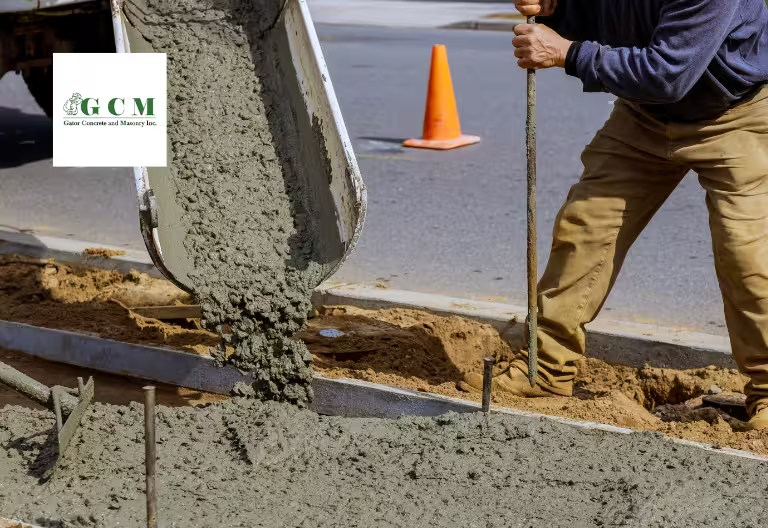
Why DIY Drainage Fixes Often Fail and What Actually Works

Why DIY Drainage Fixes Often Fail and What Actually Works

Quick Overview: DIY drainage repairs may hide standing water, but they rarely solve the real problem. Learn why grading, soil conditions, and proper drainage design matter, how professionals identify drainage issues, and which long-term solutions protect Florida homes and commercial properties. Standing water is a common problem across many Florida properties. One heavy rain can …

Why DIY Drainage Fixes Often Fail and What Actually Works Read More »

How Drainage Design Impacts Long-Term Property Maintenance

How Drainage Design Impacts Long-Term Property Maintenance

Quick Overview: Good drainage does far more than move water away from a building. It protects foundations, keeps soil stable, reduces concrete damage, and lowers repair costs for years to come. Learn why proper grading, drainage planning, and site preparation are essential for lasting property performance. Drainage design is one of the most overlooked parts …

How Drainage Design Impacts Long-Term Property Maintenance Read More »

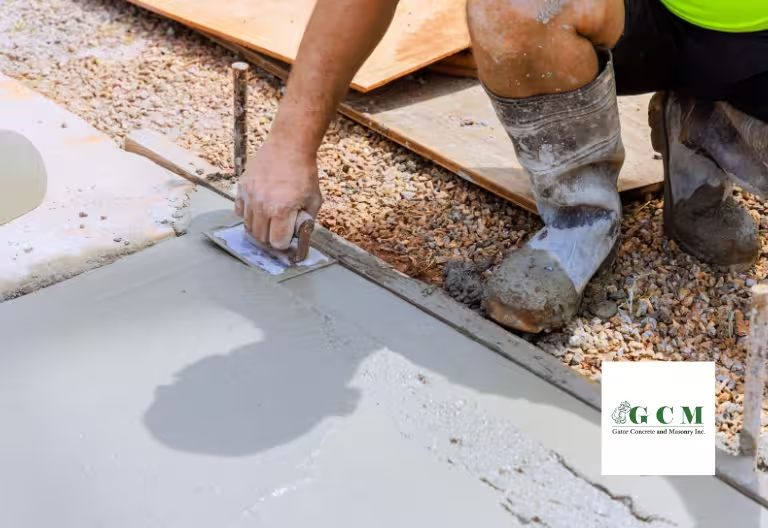
Daily Reports and QA Systems Every Concrete Contractor Needs

Daily Reports and QA Systems Every Concrete Contractor Needs

Quick Overview: Concrete work gets covered fast, but records remain. Learn how digital QA and daily reports help protect quality, reduce disputes, support payments, and keep jobs moving smoothly. Concrete work is built in the field, but many problems are solved through documentation. Crews place footings, form walls, tie steel, finish slabs, and move to …

Daily Reports and QA Systems Every Concrete Contractor Needs Read More »