Cyrus Santonil

Where Scope Gaps Commonly Occur in Structural Concrete Packages

Where Scope Gaps Commonly Occur in Structural Concrete Packages

Quick Overview: Structural concrete scope gaps often involve excavation, reinforcing steel, slabs, formwork, MEP openings, testing, and masonry connections. Learn why unclear responsibilities cause extra costs and delays, and how general contractors can catch these issues before awarding a concrete subcontract. A structural concrete package can look complete on paper, but that doesn’t always mean …

Where Scope Gaps Commonly Occur in Structural Concrete Packages Read More »
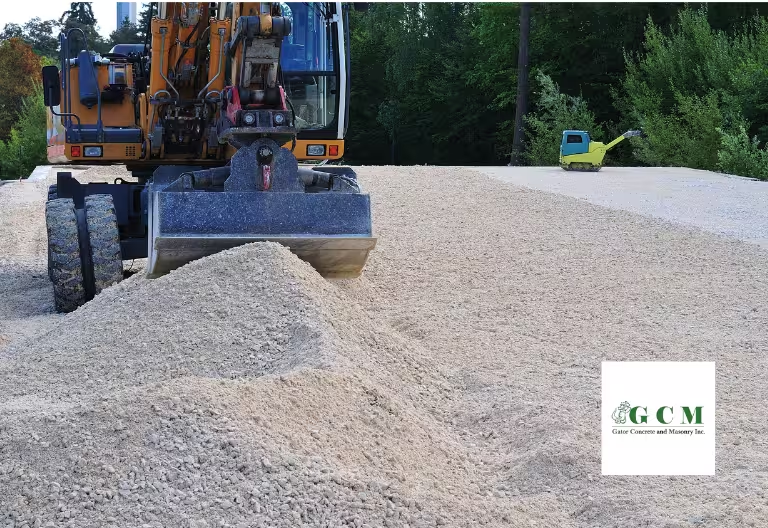
What Does “Ready for Concrete” Actually Mean

What Does “Ready for Concrete” Actually Mean?

Quick Overview: A site can look ready for concrete but still have problems beneath the surface. Proper soil preparation, grading, formwork, reinforcement, and inspections all matter before a pour. Learn what contractors need to check to avoid delays, costly repairs, and structural issues. On a construction site, the phrase “ready for concrete” sounds simple enough. …

What Does “Ready for Concrete” Actually Mean? Read More »

Why Concrete Mobilization Dates Change and How GCs Can Protect the Schedule

Why Concrete Mobilization Dates Change and How GCs Can Protect the Schedule

Quick Overview: Concrete mobilization depends on more than a date on the schedule. Site readiness, preceding trades, drawings, materials, inspections, access, and weather can all shift the start. See how GCs can spot these risks early, improve coordination, and keep concrete work moving with fewer disruptions. A concrete subcontractor may be shown on the project …

Why Concrete Mobilization Dates Change and How GCs Can Protect the Schedule Read More »

From Concrete Award to First Pour What Actually Happens During Preconstruction

From Concrete Award to First Pour: What Actually Happens During Preconstruction?

Quick Overview: A concrete award is only the start. Before the first pour, contractors review scope and drawings, resolve RFIs, prepare submittals, order materials, plan crews and equipment, coordinate other trades, verify field conditions, and complete inspections so the placement is truly ready. Winning a concrete package doesn’t mean a crew shows up the next …

From Concrete Award to First Pour: What Actually Happens During Preconstruction? Read More »

What Information Helps a Concrete Contractor Turn Around a Bid Faster

What Information Helps a Concrete Contractor Turn Around a Bid Faster?

Quick Overview: Faster concrete bids start with better project information. Current plans, a clear scope, site and soil details, specifications, schedules, revisions, and a bid deadline help contractors complete takeoffs with fewer questions and assumptions. Waiting on a concrete bid can feel like a slow part of an otherwise fast-moving project. Plans are ready, schedules …

What Information Helps a Concrete Contractor Turn Around a Bid Faster? Read More »

How Quickly Can a Structural Concrete Contractor Mobilize After Award

How Quickly Can a Structural Concrete Contractor Mobilize After Award?

Quick Overview: Structural concrete mobilization can take several days to several weeks after award. Drawings, site readiness, crews, materials, equipment, RFIs, inspections, and trade coordination all affect the start. Early planning helps contractors mobilize faster and keep concrete work moving. Winning the bid is a major step. But for a structural concrete contractor, the work …

How Quickly Can a Structural Concrete Contractor Mobilize After Award? Read More »