admin

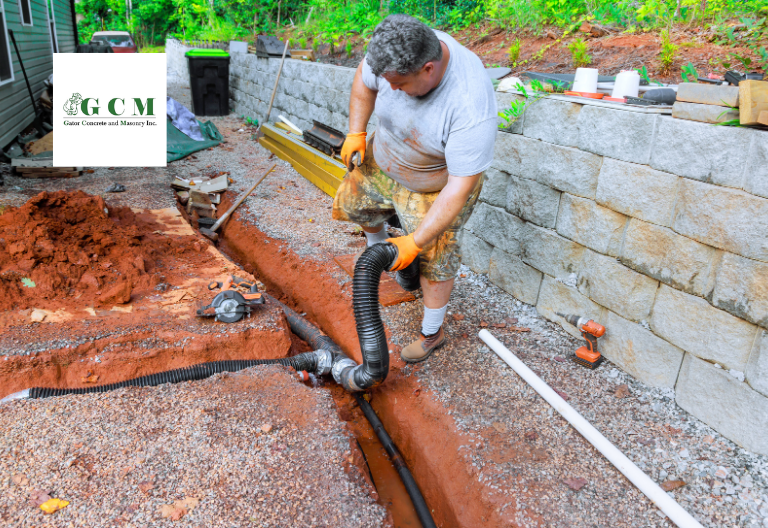
Understanding Positive vs. Negative Drainage Around Buildings

Understanding Positive vs. Negative Drainage Around Buildings

Quick Overview: Positive drainage moves water away from a building, while negative drainage sends it toward the structure or traps it nearby. Learn how grading, soil, landscaping, hardscape and roof runoff affect drainage, plus what builders can do to protect foundations and site improvements. Water will always look for somewhere to go. Around a building, …

Understanding Positive vs. Negative Drainage Around Buildings Read More »
Backyard Drainage Problems That Could Damage Your Foundation

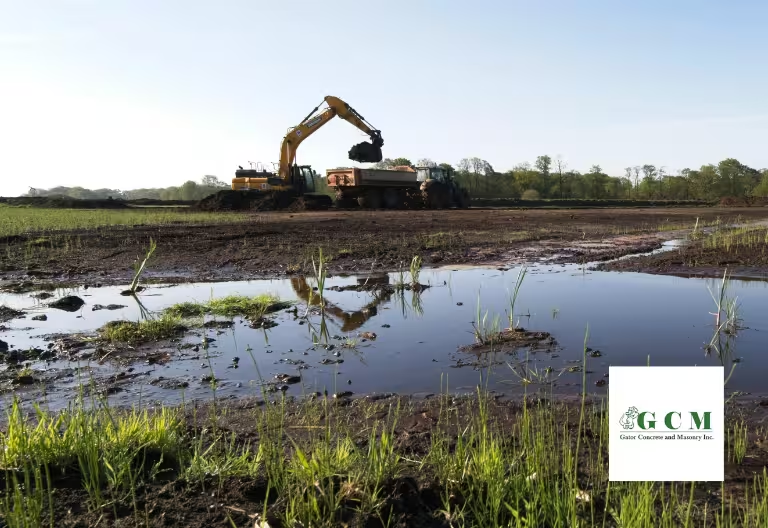
Backyard Drainage Problems That Could Damage Your Foundation

Quick Overview: Backyard water isn’t only a lawn problem. Poor grading, standing water, erosion, and bad runoff paths can change soil conditions and threaten foundation support. A backyard drainage problem may start with something that seems harmless. A puddle that sticks around after a storm, a soggy strip of grass beside the house, or a …

Backyard Drainage Problems That Could Damage Your Foundation Read More »

How Landscaping Can Accidentally Create Drainage Issues

How Landscaping Can Accidentally Create Drainage Issues

Quick Overview: Landscaping can change more than your yard’s appearance. Raised beds, mulch, pavers, edging, irrigation, and new soil can redirect runoff or create low spots. Learn how small grade changes cause drainage problems and what to check before improving your Florida landscape. A fresh landscape can completely change how a property looks. New planting …

How Landscaping Can Accidentally Create Drainage Issues Read More »

Why DIY Drainage Fixes Often Fail and What Actually Works

Why DIY Drainage Fixes Often Fail and What Actually Works

Quick Overview: DIY drainage repairs may hide standing water, but they rarely solve the real problem. Learn why grading, soil conditions, and proper drainage design matter, how professionals identify drainage issues, and which long-term solutions protect Florida homes and commercial properties. Standing water is a common problem across many Florida properties. One heavy rain can …

Why DIY Drainage Fixes Often Fail and What Actually Works Read More »

How Drainage Design Impacts Long-Term Property Maintenance

How Drainage Design Impacts Long-Term Property Maintenance

Quick Overview: Good drainage does far more than move water away from a building. It protects foundations, keeps soil stable, reduces concrete damage, and lowers repair costs for years to come. Learn why proper grading, drainage planning, and site preparation are essential for lasting property performance. Drainage design is one of the most overlooked parts …

How Drainage Design Impacts Long-Term Property Maintenance Read More »

Why Proper Site Preparation Is the Key to Strong, Long Lasting Foundations

Why Proper Site Preparation Is the Key to Strong, Long Lasting Foundations

Quick Overview: Weak soil can lead to settlement, cracked concrete, and costly repairs. Learn how contractors inspect bad ground, remove unsuitable material, improve drainage, compact structural fill, and confirm the site is ready before foundation work begins. Every successful construction project starts below the surface. Before concrete is poured, before block walls are built, before …

Why Proper Site Preparation Is the Key to Strong, Long Lasting Foundations Read More »

What Causes Uneven Settlement and How to Prevent It Before Construction

What Causes Uneven Settlement and How to Prevent It Before Construction

Quick Overview: Uneven settlement occurs when parts of a building sink at different rates, causing cracks, structural stress, and foundation problems. Learn how soil testing, proper site preparation, demucking, proofrolling, compaction, and drainage can help prevent costly repairs. Few things worry property owners more than seeing cracks appear in walls, floors becoming uneven, or doors …

What Causes Uneven Settlement and How to Prevent It Before Construction Read More »

Comparing Residential and Commercial Proof rolling for Better Site Preparation Results

Comparing Residential and Commercial Proofrolling for Better Site Preparation Results

Quick Overview: Proof rolling helps identify weak soils, hidden voids, and unstable subgrades before construction starts. Learn how residential and commercial proof rolling differ in equipment, site size, engineering requirements, remediation methods, costs, and project risks. Before a foundation is poured, a building pad is only as good as the soil beneath it. That’s where …

Comparing Residential and Commercial Proofrolling for Better Site Preparation Results Read More »

How Deep Should You Demuck Factors That Actually Matter

How Deep Should You Demuck? Factors That Actually Matter

Quick Overview: DemuckingĀ is not about digging as deep as possible. It’s about removing unsuitable organic soils until stable support is reached. Learn how soil conditions, groundwater, structure loads, engineering recommendations, and project budgets determine the right demucking depth for every site. When preparing a construction site, few activities are as important as creating a stable …

How Deep Should You Demuck? Factors That Actually Matter Read More »

What Contractors Should Do When Soft Soil Threatens a Foundation

What Contractors Should Do When Soft Soil Threatens a Foundation

Quick Overview: Soft soil under foundations creates major structural risks if not handled correctly. Learn how contractors use excavation, proof rolling, compaction, drainage, and engineered solutions to stabilize sites before concrete placement and reduce long-term foundation problems. A foundation is only as strong as the ground holding it up. Sounds simple, right? But on many …

What Contractors Should Do When Soft Soil Threatens a Foundation Read More »