
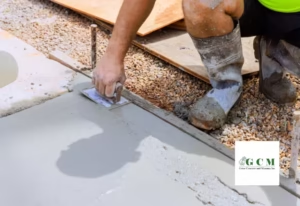
Why Concrete Mobilization Dates Change and How GCs Can Protect the Schedule
Quick Overview: Concrete mobilization depends on more than a date on the schedule. Site readiness, preceding trades, drawings, materials, inspections, access, and weather can all
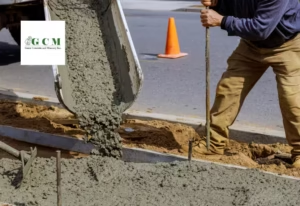
From Concrete Award to First Pour: What Actually Happens During Preconstruction?
Quick Overview: A concrete award is only the start. Before the first pour, contractors review scope and drawings, resolve RFIs, prepare submittals, order materials, plan
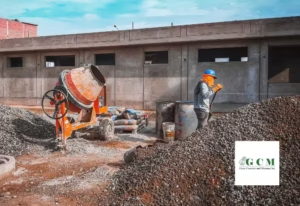
What Information Helps a Concrete Contractor Turn Around a Bid Faster?
Quick Overview: Faster concrete bids start with better project information. Current plans, a clear scope, site and soil details, specifications, schedules, revisions, and a bid
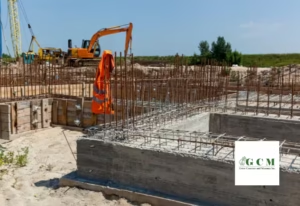
How Quickly Can a Structural Concrete Contractor Mobilize After Award?
Quick Overview: Structural concrete mobilization can take several days to several weeks after award. Drawings, site readiness, crews, materials, equipment, RFIs, inspections, and trade coordination
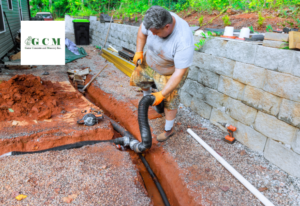
Understanding Positive vs. Negative Drainage Around Buildings
Quick Overview: Positive drainage moves water away from a building, while negative drainage sends it toward the structure or traps it nearby. Learn how grading,
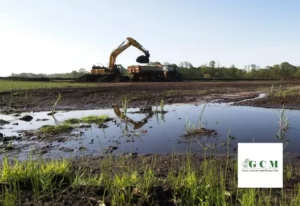
Backyard Drainage Problems That Could Damage Your Foundation
Quick Overview: Backyard water isn’t only a lawn problem. Poor grading, standing water, erosion, and bad runoff paths can change soil conditions and threaten foundation
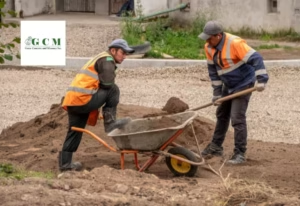
How Landscaping Can Accidentally Create Drainage Issues
Quick Overview: Landscaping can change more than your yard’s appearance. Raised beds, mulch, pavers, edging, irrigation, and new soil can redirect runoff or create low
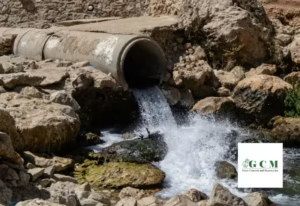
Why DIY Drainage Fixes Often Fail and What Actually Works
Quick Overview: DIY drainage repairs may hide standing water, but they rarely solve the real problem. Learn why grading, soil conditions, and proper drainage design
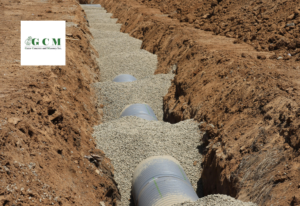
How Drainage Design Impacts Long-Term Property Maintenance
Quick Overview: Good drainage does far more than move water away from a building. It protects foundations, keeps soil stable, reduces concrete damage, and lowers