
Quick Overview:
A site can look ready for concrete but still have problems beneath the surface. Proper soil preparation, grading, formwork, reinforcement, and inspections all matter before a pour. Learn what contractors need to check to avoid delays, costly repairs, and structural issues.
On a construction site, the phrase “ready for concrete” sounds simple enough. The area is cleared, the forms are set, and the crew is waiting for the concrete trucks. But there’s more to it than that.
A site can look clean and level while still having problems beneath the surface. Poorly compacted soil, misplaced reinforcing steel, incorrect elevations, or missing inspections can stop a concrete pour before it starts.
For general contractors and project managers, knowing what makes a site ready for concrete helps prevent delays, protect structural stability, and keep the next phase of construction on schedule.
What Does “Ready for Concrete” Mean in Construction?
From a structural concrete contractor’s perspective, “ready for concrete” means the required site preparation, installation, testing, and approvals have been completed for a specific concrete pour.
It doesn’t simply mean that the work area is accessible or that the ground appears level. It means the conditions are suitable for placing concrete according to the approved construction plans.
The exact requirements depend on the type of work.
For building foundations and footings, the contractor must confirm excavation depths, footing dimensions, soil conditions, reinforcement, and required inspections. Slabs-on-grade need a properly prepared base, along with specified reinforcement, vapor barriers, and other components where required.
Structural concrete walls involve additional checks for formwork, reinforcing steel, openings, and embedded components. Elevated slabs require careful attention to supporting forms, shoring, reinforcement, and engineered requirements.
There’s also an important difference between being physically prepared and being cleared to pour. A crew may finish its installation, but concrete placement must wait until all required inspections and approvals are complete.
In short, being ready means the work has been prepared, checked, and approved where required.
What Must Be Completed Before a Site Is Ready for Concrete?
Several construction activities must come together before concrete placement can begin. Missing even one requirement may cause delays, added costs, or problems that are difficult to correct once the concrete hardens.
1. Excavation and Grading Must Meet Project Requirements
Proper preparation starts with the ground.
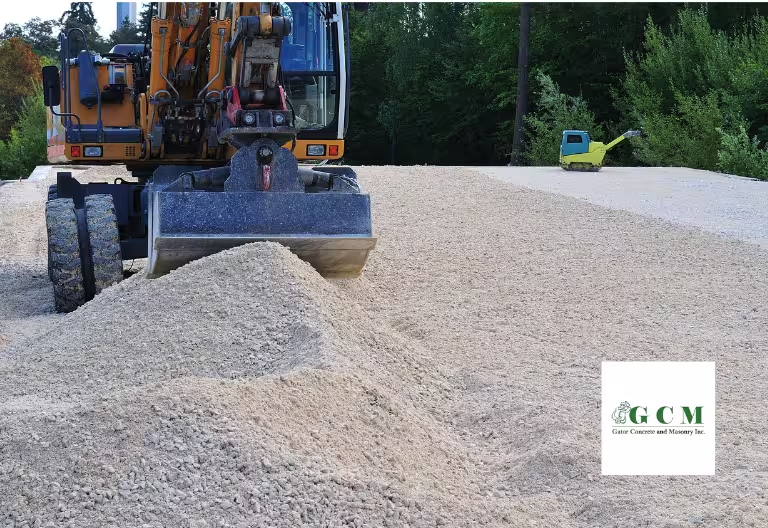
Before placing concrete, excavation depths, dimensions, and elevations must match the approved plans. This is especially important for foundations and footings, where the size and position of each component affect the structure above it.
Grading also plays a major role. The work area must be prepared to support construction while allowing water to drain as intended.
Loose debris, organic material, unsuitable soil, and standing water must be addressed before proceeding. These materials can interfere with the foundation’s support or create problems during placement.
Poor grading can also leave water collecting near foundations, increasing the risk of erosion, soil movement, and drainage issues over time.
2. The Subgrade Must Be Stable and Properly Compacted
A concrete foundation or slab is only as reliable as the ground supporting it.
Soft soil, loose fill, and poorly compacted areas may settle after construction. This movement can contribute to cracking, uneven surfaces, and other structural concerns.
Depending on project requirements, contractors may use proof rolling to help identify weak areas beneath slabs or prepared surfaces. If the ground moves excessively under the test load, further evaluation may be necessary.
Unsuitable material may need to be removed and replaced with approved fill. In other cases, soil stabilization or additional compaction may be required.
Geotechnical recommendations and specified compaction tests help confirm whether the prepared ground meets the project’s requirements. A smooth surface alone isn’t proof that the soil is ready.
3. Formwork Must Be Installed and Checked
Formwork gives fresh concrete its intended shape and holds it in position while it is placed and gains strength.
Before pouring, contractors must check form dimensions, alignment, elevations, stability, and bracing.
Even small errors can affect the finished structure. A form that shifts during placement may produce an incorrect wall thickness, uneven footing, or concrete surface outside the required dimensions.
Forms also need enough support to withstand the loads created by fresh concrete and construction activity.
Correcting these problems before placement is far easier than repairing concrete after it hardens.
4. Reinforcement and Embedded Components Must Be in Place
Reinforcing steel helps concrete resist forces that plain concrete cannot handle well on its own.
Before placement, contractors check the reinforcing steel against the approved structural drawings. This includes bar size, spacing, position, required concrete cover, and proper supports.
Embedded components need attention, too.
Anchor bolts, sleeves, plumbing penetrations, electrical conduits, and other items must be installed in their required locations before they become part of the concrete.
A missing sleeve or misplaced anchor bolt may seem like a small oversight. Once the concrete is placed, however, correcting it can involve drilling, cutting, engineering review, or additional repair work.
5. Required Inspections Must Be Completed
Some of the most important pre-pour work involves inspections that cannot be completed after the concrete covers the installation.
Depending on the project, these may include foundation inspections, reinforcing steel inspections, underground utility checks, and other required reviews.
Building inspectors, engineers, and testing agencies may each have a role in confirming that the work meets approved plans, project specifications, and applicable codes.
The specific inspections vary by project and local requirements.
The important point is simple: required approvals must be obtained before concrete placement begins. Finishing the physical work doesn’t replace the inspection process.
Why a Site Can Look Ready but Still Fail a Pre-Pour Inspection
A clean construction site can give the impression that everything is ready. Unfortunately, appearance doesn’t tell the whole story.
Many conditions that affect concrete performance aren’t obvious from a quick walk around the site.
For example, a footing excavation may look properly shaped but have the wrong depth. Reinforcing steel may be installed but lack the correct spacing or support. A slab area may appear firm while hiding poorly compacted fill.
Other common issues include missing embedded components, standing water, incomplete soil testing, unapproved structural changes, or inspections that haven’t been completed.
These problems matter because concrete placement makes many parts of the installation difficult to inspect or correct.
That’s why contractors shouldn’t rely on visual appearance alone.
Finding a problem during a pre-pour inspection may delay the work for a short time, but identifying it after concrete placement can be far more expensive.
Early checks give the project team a chance to correct deficiencies before they affect the finished structure.
What Happens During a Pre-Pour Readiness Check?
A pre-pour readiness check is the final review before concrete delivery and placement.
It usually involves coordination between the concrete subcontractor, general contractor, and other trades whose work affects the pour.
The team reviews approved plans, confirms that the required installation is complete, and verifies that necessary testing and inspections have been addressed.
The contractor also checks practical conditions. Can concrete trucks reach the designated unloading area? Is there enough space for a concrete pump if one is needed? Are the crew, tools, equipment, and placement methods ready?
Communication is particularly important when several subcontractors are working in the same area.
Plumbing, electrical, and other embedded work must be completed before the concrete covers those components. Last-minute changes can disrupt the entire placement schedule.
Weather forecasts, delivery timing, and the expected volume of concrete should also be reviewed.
Ideally, the final readiness check happens before the trucks are dispatched. That way, the team can resolve outstanding issues without leaving concrete deliveries waiting on-site.
How Weather and Site Conditions Affect Concrete Readiness in Florida
Florida construction brings its own set of challenges, especially during periods of heavy rainfall.
In Tampa and surrounding areas, a site that was properly prepared yesterday may need another inspection after a strong storm.
Rain can leave standing water in footing excavations, soften exposed soil, wash away prepared material, or affect access routes for heavy equipment.
If the ground becomes saturated or unstable, additional preparation or testing may be necessary before concrete placement.
Water management and drainage are therefore important parts of the readiness process.
Florida’s high temperatures and humidity also affect how crews plan concrete delivery, placement, finishing, and curing. Hot weather can increase the risk of rapid moisture loss and affect the time available to place and finish concrete.
Good scheduling, suitable curing methods, and coordination with the concrete supplier help crews manage these conditions.
Weather isn’t just something to check on pour day. It’s part of the preparation process.
Who Is Responsible for Confirming a Site Is Ready for Concrete?
Concrete readiness is a shared responsibility, although each contractor’s duties depend on the project documents and scope of work.
The general contractor typically coordinates the overall schedule, manages work between trades, and helps confirm that required inspections and approvals are completed.
The concrete subcontractor checks the work within its assigned scope. This may include formwork, reinforcement, elevations, placement preparation, and equipment access.
Engineers and geotechnical professionals may review structural details, soil conditions, or proposed changes when their expertise is required.
Testing agencies perform specified tests, while building inspectors verify compliance with applicable requirements.
Problems often arise when responsibilities aren’t clearly assigned.
For example, one contractor may assume that another trade has completed an embedded installation or arranged an inspection.
Clear communication before the pour helps prevent these misunderstandings. Everyone should know what needs to be finished, who will verify it, and when the area can be released for concrete placement.
How Proper Concrete Readiness Prevents Delays and Costly Rework
Rushing a concrete pour may appear to save time, but placing concrete before the site is ready can create much larger problems.
Poorly prepared ground may contribute to settlement and cracking. Incorrect reinforcement or misplaced embedded components can lead to structural concerns and expensive repairs.
Incomplete inspections may also require additional review, testing, or corrective work.
There are scheduling costs to consider as well.
If a concrete delivery must be canceled at the last minute, the project may face wasted labor, equipment standby costs, supplier charges, or lost production time.
When defective concrete work requires demolition and replacement, the impact becomes even greater.
And the delay rarely affects only one contractor. Framing, masonry, utilities, and other trades may depend on the concrete work being completed first.
A well-planned pre-pour process helps reduce these avoidable risks.
Taking time to verify the work before placement protects both the finished structure and the construction schedule.
Concrete Pour Readiness Checklist for General Contractors
Before scheduling concrete delivery, general contractors and project managers should review the condition of the work area and confirm that all required preparation is complete.
The following checklist covers common items that can affect concrete readiness. It can help teams identify outstanding work before committing to a pour date.
Pre-Pour Checklist
- Excavation dimensions and elevations match approved plans
- Subgrade is stable and required compaction testing is complete
- Unsuitable soil and standing water have been addressed
- Formwork is aligned, supported, and secured
- Reinforcing steel is installed according to approved plans
- Required sleeves, anchors, and embedded items are in place
- Required inspections and approvals are complete
- Concrete trucks and placement equipment have safe site access
- Weather conditions and water management have been reviewed
- Concrete mix, delivery schedule, crew, and equipment are confirmed
A completed checklist helps the project team prepare for concrete delivery, but it doesn’t replace required inspections, engineering reviews, or approvals.
Any unresolved issue should be addressed before the pour proceeds. It’s better to correct a problem during preparation than discover it after the concrete has hardened.
Why Working With an Experienced Concrete Contractor Matters
Preparing for concrete placement involves more than completing individual construction tasks. It requires understanding how excavation, grading, soil conditions, formwork, reinforcement, and scheduling affect one another.
An experienced contractor can help identify potential problems early and coordinate the work needed to keep the project moving.
Being Ready for Concrete Means Being Ready to Build
A site isn’t ready for concrete simply because it’s clean, level, and accessible.
True readiness means the ground is properly prepared, the required formwork and reinforcement are in place, embedded components have been checked, and necessary inspections and approvals are complete.
It also means the project team has planned for weather, site access, concrete delivery, and placement.
When these details are handled before the pour, contractors can reduce unnecessary delays, limit costly corrections, and support the long-term performance of the structure.
For general contractors and developers, making concrete readiness a priority is one of the practical ways to keep construction moving in the right direction.
Plan Your Next Concrete Project With Gator Concrete and Masonry Inc.
Whether you’re preparing a new foundation, coordinating structural concrete work, or planning grading and excavation, Gator Concrete and Masonry Inc. is ready to discuss your project.
With more than 25 years of experience serving the Tampa, Florida area, our team understands the preparation and coordination involved in concrete and masonry construction.
Contact Gator Concrete and Masonry Inc. today to discuss your project requirements and request a concrete construction estimate.