
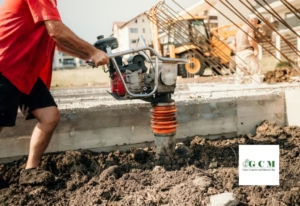
Why Proper Compaction and Vibration Define Structural Concrete Performance
Quick Overview: Compaction and vibration are often overlooked, but they directly control structural concrete performance. From settlement issues to hidden voids, poor execution leads to long-term damage. This guide breaks down why these steps matter in engineered and coastal construction. The Most Overlooked Failure Point in Concrete Most structural failures don’t start on paper. They
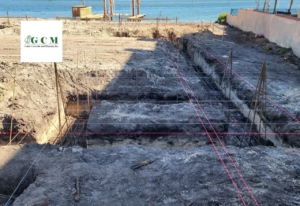
Soil and Groundwater Prep for Strong Structural Concrete Foundations
Quick Overview: Soil and groundwater conditions control how structural concrete performs. This guide covers site prep, dewatering, and foundation strategies to help builders prevent settlement, cracking, and long-term failure before construction begins. There’s a hard truth in structural concrete… most failures don’t start in the concrete. They start below it. In the soil, in the
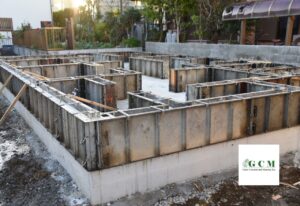
Why Early Concrete Contractor Involvement Improves Structural Execution
Quick Overview: Concrete work shapes the structure long before the first pour. Early contractor involvement prevents field conflicts, improves scheduling, and ensures engineering intent is executed correctly on structural foundations and masonry systems. Concrete gets treated like a step in the schedule. Excavation happens, then foundations, then framing. Simple timeline. But in reality, concrete decisions
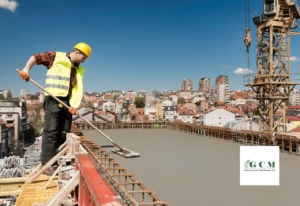
Concrete Movement Solutions for Modern Commercial and Residential Builds
Quick Overview Concrete moves due to shrinkage, heat, and soil shifts. Learn how Tampa builders control cracking through proper joints, reinforcement, curing, grading, and drainage for durable slabs and block walls. Concrete Moves — Even When You Don’t See It Concrete is strong. Solid. Feels permanent under your boots. But it is not static.
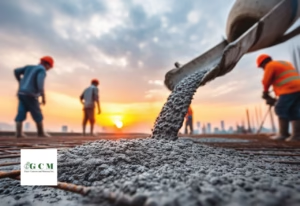
Communication Mistakes That Still Get Concrete Subs Replaced
Quick Overview Good concrete isn’t enough. Missed updates, poor documentation, weak follow-up, and slow responses still cost subs repeat work. Here’s what gets concrete crews replaced and how to fix it. Good Concrete Isn’t Enough Anymore Ever pour a flawless slab, hit elevation dead on, tight finish, no honeycombing… and still not get called back
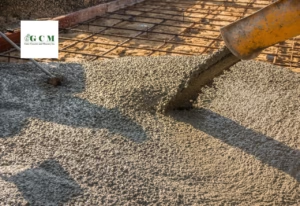
Pouring Structural Concrete Under Shorter Timelines Without Sacrificing Strength
Quick Overview: Deadlines are tight, weather is unpredictable, and owners want speed. Learn how pouring structural concrete under shorter timelines without sacrificing strength is possible through smart planning, proper mix control, solid subgrade prep, and disciplined curing, especially in Tampa’s demanding climate. Fast Doesn’t Have to Mean Fragile Deadlines shrink. Schedules compress. Owners push.
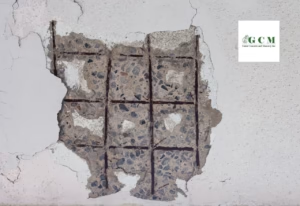
Jobsite Signs of Concrete Failure GCs Should Never Ignore
Quick Overview: Concrete failure rarely shows up all at once. It starts with small warning signs most people miss. This guide breaks down the early red flags GCs see first, from cracking and settlement to drainage and pour-day mistakes, and how catching them early saves time, money, and reputation. Concrete Rarely “Fails Overnight” Concrete almost
Seasonal Concrete Planning for Year-Round Productivity
Quick Overview: Weather controls concrete, not calendars. This guide shows how Florida contractors plan spring, summer, fall, and winter work to avoid downtime, protect quality, keep crews busy, and stabilize cash flow with smart scheduling, labor planning, and weather buffers. Built from real jobsite experience, not theory. That keeps projects predictable Why Seasonal Planning Matters
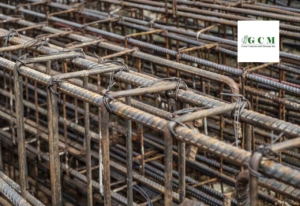
Rebar Placement and Spacing Tips Every Contractor Should Know
Concrete’s tough, no doubt about it. We work with it every single day here in Tampa, and we see what it can handle, but here’s the truth we tell every crew and every homeowner “concrete might be strong, sure… until it cracks where you don’t want it”. And that’s exactly why reinforcement matters. Rebar, when