
Quick Overview:
Demucking removes unstable soil before construction begins, helping create a solid base for foundations, slabs, and structural work. From wet clay to organic muck, proper excavation, drainage, and compaction help prevent settlement, cracking, and long-term structural issues
Before concrete gets poured. Before block walls go up. Before foundations take shape. The ground underneath has to be right. That part gets overlooked sometimes, especially on fast-moving projects. But truth is, bad soil can ruin a good build before the structure even starts.
That’s where demucking comes in.
In construction, demucking is the process of removing unsuitable soil from a job site and replacing it with stable, compactable material that can safely support structural loads. Sounds simple. Sometimes it is. Sometimes it turns into one of the hardest parts of site prep.
Across Florida, especially around Tampa and low-lying areas, contractors deal with soft organic soil, wet clay, peat, and saturated ground all the time. If those materials stay in place under a foundation, problems usually follow. Settlement. Drainage issues. Slab cracking. Uneven floors. Structural movement. Expensive repairs later.
We’ve seen projects where everything above ground looked perfect, but the soil underneath told a different story.
That’s why proper soil removal matters before foundations begin. Experienced site contractors understand how to identify unstable areas early, remove weak material correctly, and prepare the site for long-term performance. It is not just dirt work. It is structural preparation from the ground up.
What Is Demucking?
Demucking is a specialized excavation process used to remove unstable or unsuitable soil that cannot properly support construction loads. Unlike regular excavation, which focuses on reaching design elevations, demucking targets bad soil conditions specifically.
The goal is simple. Remove weak material. Replace it with stable fill. Compact it correctly.
Common materials removed during demucking include:
- Organic soil
- Wet clay
- Muck
- Peat
- Saturated debris-filled soil
- Soft decomposed material
These soils usually contain high moisture levels or decaying organic matter. They compress too easily under weight. Some hold water constantly, others shift during compaction. None of that works well under structural concrete.
And honestly, the problem is not always obvious from the surface.
A site might look dry one week, then heavy equipment starts sinking during grading. Or proofrolling reveals movement across certain sections. That is why experienced contractors do not rely only on appearances. Soil conditions have to be tested and evaluated properly.
How Unsuitable Soil Affects Construction
Bad soil creates problems that rarely stay underground. Eventually, the structure above starts showing signs too.
Foundation settlement is one of the biggest risks. When unstable soil compresses unevenly, foundations move with it. That movement can lead to:
- Cracked slabs
- Uneven floors
- Wall separation
- Structural stress
- Drainage problems
Water retention also becomes a major issue. Organic soil and muck tend to trap moisture instead of draining it away. Over time, that excess moisture weakens surrounding soil even more.
Then comes compaction failure.
Crews may compact the surface repeatedly, but if unstable material remains underneath, the ground still shifts under pressure. That leads to soft spots and inconsistent support below slabs and foundations.
Key Point:
Bad soil underneath good concrete still creates bad results.
No matter how strong the concrete mix is, it still depends on stable support underneath.
Signs a Site May Need Demucking
Sometimes the signs are obvious. Other times, they show up slowly during site work.
A few common warning signs include:
- Soft or spongy ground under equipment
- Standing water after rainfall
- Deep tire rutting during grading
- Dark soil with organic smell
- Failed proofrolling results
- Areas that continue shifting after compaction
Heavy equipment tells the story quickly. If machines start sinking or leaving deep ruts repeatedly, chances are the soil underneath cannot handle the load.
We’ve seen sites where grading looked finished, then one rainstorm exposed major weak zones overnight. That happens often in Florida because groundwater conditions can change fast.
Proofrolling is another big indicator. During proofrolling, loaded equipment drives over compacted areas to reveal weak spots. If the ground pumps, flexes, or shifts excessively, additional soil removal may be necessary.
The Demucking Process Step by Step
Site Evaluation
Every successful demucking project starts with proper evaluation.
Contractors inspect the site, review soil reports, and identify unstable areas before excavation begins. Depending on the project, testing may include:
- Soil borings
- Density testing
- Moisture analysis
- Visual inspection during grading
The goal is to determine how deep unsuitable material extends and how much removal will be needed.
Some sites require shallow removal. Others may need several feet excavated before stable soil is reached.
Excavation and Removal
Once unstable zones are identified, crews begin removing unsuitable material carefully.
This stage often involves:
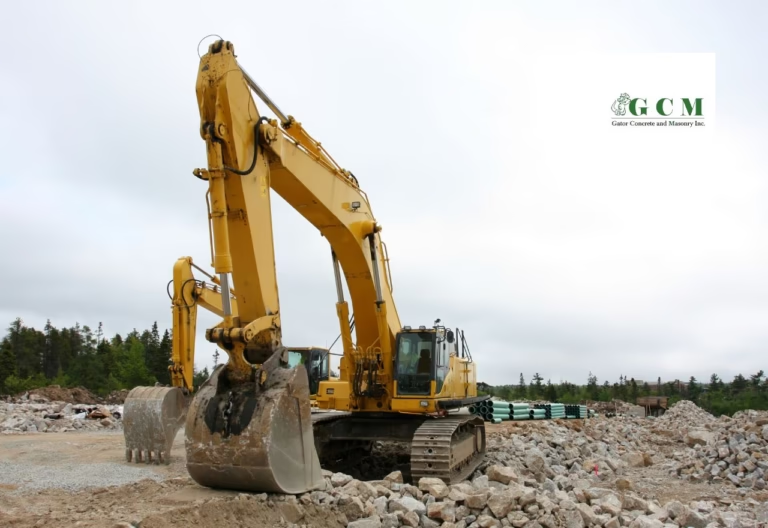
- Excavators
- Dozers
- Dump trucks
- Pumps for water control
Wet conditions make this process harder. Excavation walls can become unstable, and groundwater may continuously seep into open areas.
Managing moisture becomes critical during removal. Sometimes temporary dewatering systems are needed to keep excavation areas workable.
And honestly, rushing this phase usually creates problems later.
Leaving behind even small pockets of unsuitable material can compromise the repaired area.
Replacement With Suitable Fill
After bad soil is removed, suitable engineered fill gets brought in.
This fill material must meet compaction and structural requirements. It gets placed in controlled layers called lifts. Each lift is compacted individually before additional material is added.
Important factors during this phase include:
- Proper lift thickness
- Moisture conditioning
- Compaction density testing
- Uniform placement
Too much moisture weakens compaction. Too little moisture creates instability too. Contractors have to maintain the right balance throughout the process.
Final Verification
Before foundation work begins, the repaired area gets verified through testing and proofrolling.
This typically includes:
- Density testing
- Proofrolling
- Final grading checks
- Elevation verification
Only after the site passes verification should structural work move forward.
Why Proper Compaction Matters After Demucking
A lot of people think replacing bad soil is enough. Not quite.
The replacement material still has to be compacted correctly or the repaired area can fail too.
Proper compaction creates stable support beneath foundations, slabs, and walls. Without it, settlement risks remain.
Compaction depends on several things working together:
- Proper moisture levels
- Correct lift thickness
- Suitable equipment
- Experienced operators
Rushed compaction creates hidden weak spots. Those weak spots usually show themselves later when the structure starts carrying load.
Key Point:
Demucking fixes the problem below the surface, but compaction locks the solution in place.
Both steps matter equally.
Common Mistakes During Demucking
Demucking looks straightforward from the outside, but mistakes happen often when crews rush or cut corners.
Some of the most common problems include:
Not Removing Enough Unsuitable Material
Stopping excavation too early leaves weak soil underneath repaired areas. That remaining material can still compress later.
Mixing Bad Soil With Clean Fill
Cross-contamination weakens the replacement material and reduces compaction quality.
Skipping Testing and Verification
Without proofrolling and density testing, weak spots may go unnoticed.
Working in Overly Wet Conditions
Too much water creates unstable excavation conditions and poor compaction performance.
Poor Drainage Planning
Water problems usually return if drainage is ignored after replacement.
Rushing the Schedule
Trying to save time underground often creates bigger delays later.
Honestly, some of the most expensive repairs in construction come from problems nobody can see at first.
Drainage and Water Management Considerations
Water is usually connected to demucking problems one way or another.
Florida construction sites especially deal with:
- High groundwater
- Stormwater accumulation
- Poor drainage soils
- Flood-prone areas
During excavation, crews may need pumps or temporary drainage systems to control water infiltration.
After replacement, proper grading becomes critical. The repaired site must direct water away from structures effectively.
Good drainage strategies include:
- Positive grading slopes
- Swales and drainage paths
- Controlled runoff management
- Foundation drainage planning
Without proper water management, unstable conditions can return even after successful demucking.
Equipment Commonly Used for Demucking
Different soil conditions require different equipment setups.
Common equipment includes:
- Excavators for removal
- Dozers for grading
- Dump trucks for hauling material
- Compactors and rollers
- Water pumps for dewatering
Why Equipment Selection Matters
Heavy equipment can worsen unstable conditions if used incorrectly.
Large machines placed on weak soil may sink deeper and spread instability across the site. Experienced operators understand how to work these conditions safely while minimizing additional disturbance.
That experience matters more than people think.
When Demucking Is Most Common in Florida Construction
Florida presents unique soil challenges, especially around coastal and low-elevation areas.
Demucking commonly appears in:
- High groundwater conditions
- Residential developments on undeveloped land
- Commercial building pads
- Storm-damaged sites
- Flood-prone properties
- Coastal construction zones
Tampa-area construction sees these conditions regularly because of sandy soils mixed with organic deposits and fluctuating water tables.
After heavy storms, soil conditions can change dramatically too. Areas that once seemed stable may suddenly become saturated and unsuitable for structural loading.
Why Experienced Contractors Matter in Demucking Work
Demucking is not guesswork. Good contractors understand how soil behaves in real-world conditions, not just on paper.
Experienced crews know:
- When additional removal is necessary
- How moisture affects compaction
- How to coordinate drainage and grading together
- How to avoid costly future settlement
They also understand sequencing. Excavation, fill placement, proofrolling, drainage, and foundation prep all connect together.
Key Point:
Demucking is not just dirt removal. It is structural risk management before concrete even starts.
That mindset protects projects long-term.
Long-Term Structural Success Starts With Proper Site Prep
Demucking may happen underground, but its impact reaches every part of the structure above.
Strong foundations start with stable soil conditions. Without proper site preparation, even well-built concrete systems can develop problems later.
Removing unsuitable soil the right way helps prevent:
- Settlement
- Structural movement
- Drainage failures
- Slab cracking
- Costly repairs
And honestly, fixing these issues after construction costs far more than handling them correctly from the beginning.
At Gator Concrete and Masonry Inc, we understand how critical site preparation is to long-term structural performance. From grading and excavation to foundations, concrete work, and block walls, our team brings real-world experience to every stage of the project.
Because good construction starts below the surface first. Always.
Planning a Florida Construction Project? Let’s Talk
Planning a project in Tampa or surrounding Florida areas with unstable soil or drainage concerns?
Gator Concrete and Masonry Inc provides experienced grading, excavation, foundation, and structural concrete services built for long-term performance. If your project needs proper site preparation done the right way, our team is ready to help keep your build stable, safe, and on schedule.